High-Protein Grocery List for Beginners
You walk into the supermarket planning to buy food for the week. Then you reach the shelves and realize you have plenty of ideas for snacks, but no clear plan for meals.
Eating more protein can feel complicated when every suggestion seems to involve a new powder, a special recipe, or a fridge full of meal-prep containers. A few familiar ingredients can make it much simpler.
This high-protein grocery list for beginners helps you choose foods you enjoy and turn them into everyday breakfasts, lunches, dinners, and snacks. Use it as a flexible starting point, then adjust it to your preferences, budget, and schedule.
Start with the Meals You Actually Eat
Before adding anything to your shopping list, think about the next few days. How many meals will you eat at home? Which ones do you need to take with you? How much cooking will you realistically do?
Choose a protein source for a few of those meals, then add the ingredients that make them complete and enjoyable.
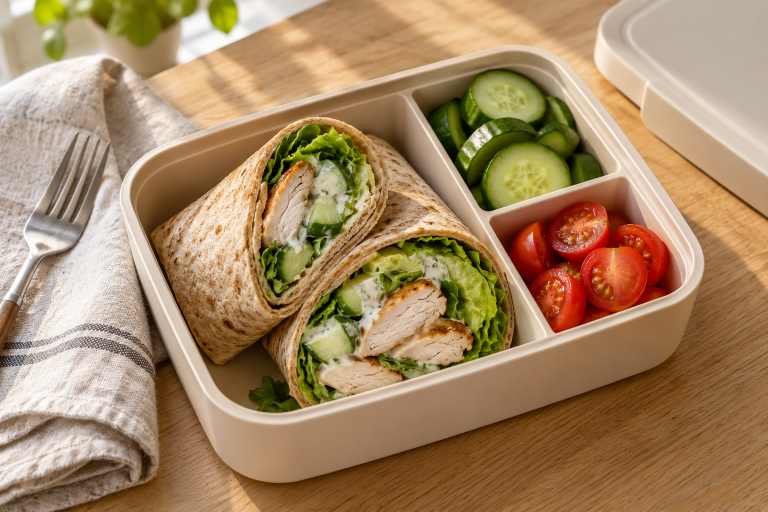
For example, breakfast might be Greek yogurt with oats and berries. Lunch could be a chicken wrap with salad and yogurt dressing. For dinner, try tofu with rice and vegetables. Cottage cheese with fruit or crackers can make a simple snack.
Protein is one part of the meal. Keep carbohydrates, vegetables or fruit, and fats on your shopping list too. You do not need to buy everything below, and this list does not prescribe a daily protein target.
- Easy Animal-Based Protein Foods
If you eat animal foods, these options can work across several meals.
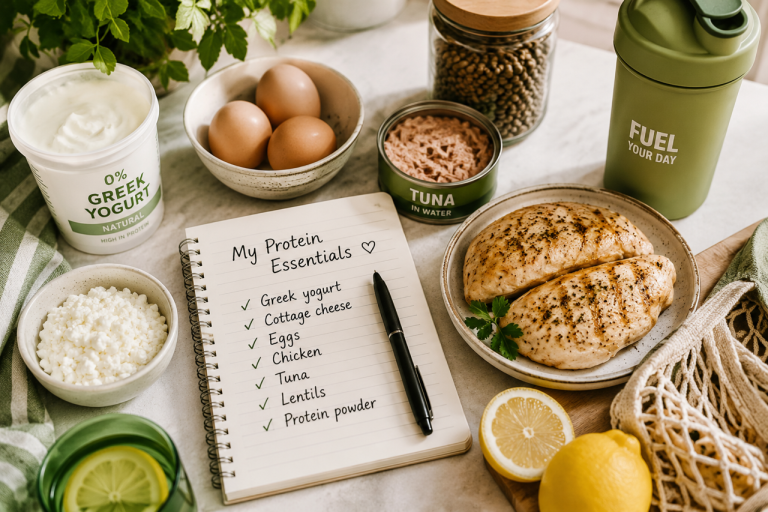
Eggs: Use them for scrambled eggs on toast, an omelet, or boiled eggs in a lunchbox.
Plain Greek yogurt or skyr: Add them to breakfast bowls, enjoy them as a snack, or use them in a creamy dressing.
Cottage cheese: Try it on toast, in a savory bowl, or with fruit.
Chicken or turkey: Use them in wraps, rice bowls, pasta dishes, or salads.
Fish, such as salmon: Serve it with potatoes, rice, and vegetables for a simple dinner.
Canned fish: Keep it for sandwich fillings, pasta, or a quick salad.
Milk: Add it to overnight oats, porridge, or a smoothie.
Choose the forms that suit your routine. Frozen fish may be useful when your plans change. A larger tub of yogurt can cover breakfast and a dressing, provided you will use it before it spoils.
Compare labels when choosing yogurt or skyr: protein content varies between products. Pick a flavor and texture you will enjoy eating, rather than choosing solely by the biggest number on the package.
- Plant-Based Options to Keep in Rotation
Plant-based meals can include a clear protein source too. Soy foods and pulses give you several practical options, whether you eat them every day or alongside animal foods.
Firm tofu: Use it in stir-fries, rice bowls, or as baked cubes with sauce.
Tempeh: Try pan-fried strips in wraps or bowls.
Lentils: Add them to soups, curries, salads, or pasta sauce.
Chickpeas: Use them in salads and wraps, or roast them for a topping.
Beans: Keep them for chili, burritos, soups, or rice bowls.
Frozen edamame: Add it to bowls or enjoy it as a snack, prepared according to the package.
Fortified soy milk: Use it in porridge, overnight oats, or smoothies.
Canned beans and lentils are useful when you want to assemble a meal quickly. Dried versions can also work well if you have time to cook them.
For a plant-based dinner, you could combine tofu, rice, frozen vegetables, and a sauce you already like. For lunch, try lentils with couscous, cucumber, tomatoes, and lemon dressing.
Nuts and seeds can contribute protein and add flavor, texture, and fats. Use them alongside the other ingredients in your meals. Plant-based yogurts and drinks vary considerably in protein content, so check the label if you want them to play that role.
- Keep a Few Convenient Backups
Your shopping list needs to work on the days when cooking feels easy and the days when it does not.
Useful backups include canned beans, chickpeas, lentils, and canned fish if you eat it. Frozen edamame or fish can also be practical. Eggs, yogurt, cottage cheese, and tofu give you more options, alongside frozen vegetables and a grain you can prepare easily.
These foods give you options without requiring a completely different meal plan. Beans, microwave rice, frozen vegetables, and a sauce can become dinner. Cottage cheese, toast, and sliced tomatoes can become lunch.
Follow package instructions for preparation and storage. Choose quantities that fit your fridge, freezer, and the meals you expect to make.
- Add the Ingredients That Bring the Meal Together
A protein-focused shopping trip should still leave you with varied, satisfying food.
For carbohydrates, choose a few options such as oats, bread, wraps, rice, pasta, couscous, or potatoes.
For vegetables, consider leafy greens, cucumber, tomatoes, carrots, broccoli, or frozen mixed vegetables.
For fruit, buy berries, bananas, apples, or whatever you enjoy and will use.
For fats and flavor, keep olive oil, nuts, seeds, avocado, hummus, herbs, spices, or your favorite sauce in mind.
Think about combinations while you shop. If you buy tofu, add what you need to serve it. If you buy yogurt, choose a breakfast topping. That small step helps turn separate groceries into meals.
- A Simple Starter Grocery List
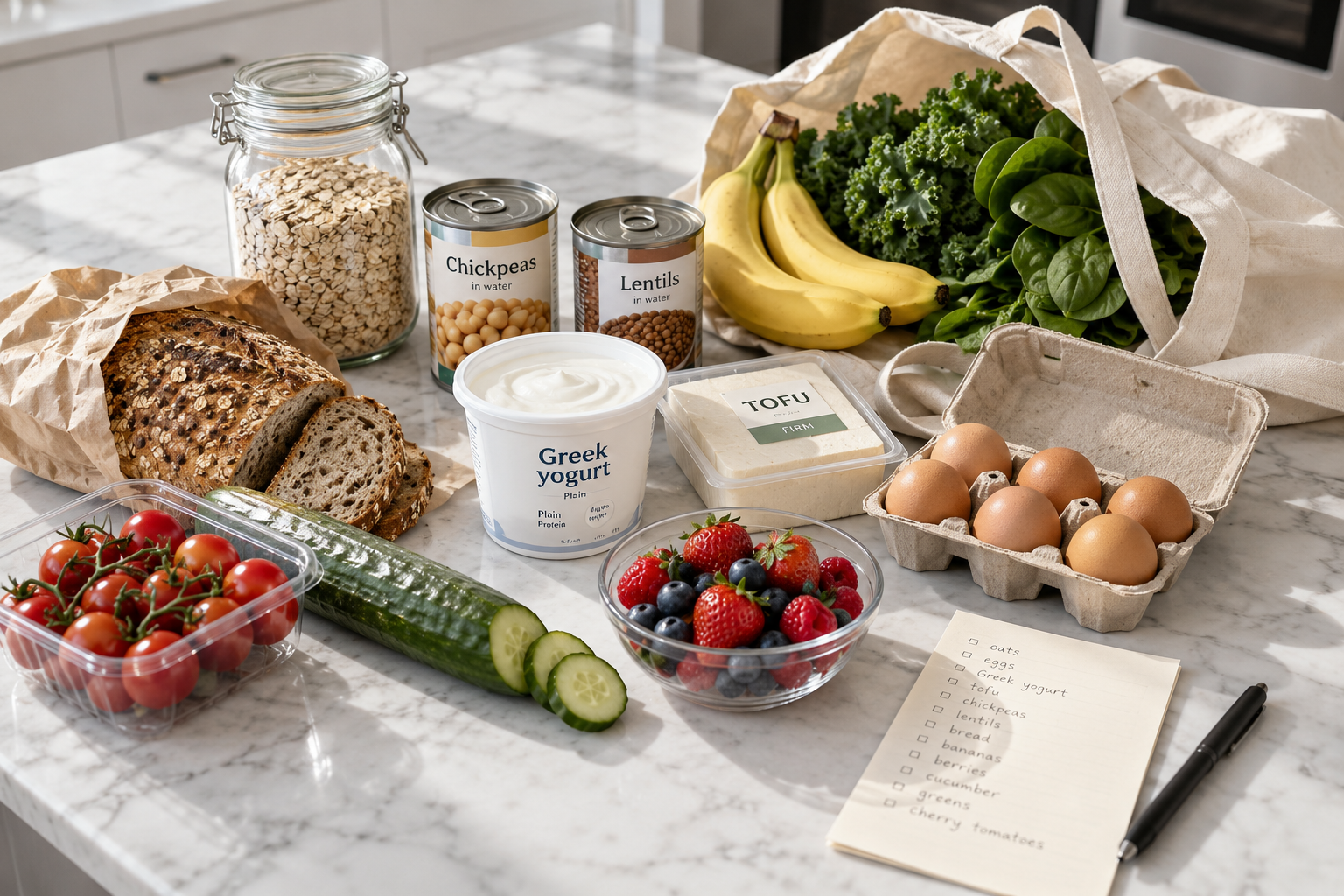
Here is one example for a person planning several meals at home. It is a starter shop, not a complete seven-day meal plan. Adjust quantities to your appetite, household, and existing supplies.
Protein foods
1 carton of eggs.
1 tub of plain Greek yogurt or skyr.
1 tub of cottage cheese.
Chicken or turkey for one or two planned meals, or extra tofu or tempeh.
1 pack of firm tofu.
1–2 cans of beans or lentils.
Optional: frozen edamame or fish for a backup meal.
Meal bases
Oats.
Whole-grain bread or wraps.
Rice, pasta, or potatoes—choose what fits your planned meals.
Produce
A bag of greens or a vegetable you can use in several meals.
Cucumber and tomatoes.
Fresh or frozen vegetables for dinner.
Two fruits you enjoy.
Flavor and extras
A dressing or sauce you will use.
Lemon, herbs, or spices if needed.
Olive oil, nuts, or seeds if you do not already have them.
For a vegetarian version, replace the poultry with tofu, tempeh, beans, or lentils.
For a fully plant-based version, replace eggs and dairy too. For example, use scrambled tofu, a soy yogurt with a suitable protein content, and fortified soy milk. Check labels and choose options that meet your dietary needs.
- Turn the Same Groceries into Different Meals
You can reuse ingredients without eating the same meal repeatedly.
Breakfast bowl: Greek yogurt or skyr with oats and berries.
Savory breakfast: Eggs or scrambled tofu with toast and tomatoes.
Lunch wrap: Chicken or tofu with greens, cucumber, and dressing.
Quick salad: Beans or lentils with tomatoes, cucumber, and bread.
Dinner bowl: Tofu or poultry with rice, vegetables, and sauce.
Simple snack: Cottage cheese with fruit, or prepared edamame.
Yogurt can become both breakfast and dressing. Cucumber can go into a wrap and a salad. Rice can accompany tofu one night and beans another. Choose a few ingredients with several uses, then vary the flavors.
- Make the List Work for Your Budget
Check your cupboards, fridge, and freezer before you shop. Start with what you already own, then buy the ingredients needed to complete those meals.
Compare unit prices and consider store-brand options. Eggs, pulses, tofu, and larger yogurt tubs may offer useful value, depending on local prices. Frozen produce can be practical if fresh food often goes unused.
A larger pack is worthwhile only when you can use or safely freeze the extra. If your week is unpredictable, buy less fresh food and keep a few flexible backups instead.
You can also choose one new ingredient per shopping trip. Learning a way to cook tofu is easier when you are not also trying five unfamiliar recipes.
- Do You Need Protein Powder or Bars?
Protein powder and bars are optional. They can be convenient, but this grocery list works with everyday foods.
If you enjoy a protein product, include it where it helps your routine. Compare the label, price, and portion size as you would with any other food. A “high-protein” label does not tell you everything about the product or whether it suits your needs.
Before Your Next Shopping Trip
Choose a few meals, identify their protein sources, and write down the ingredients that complete them. Then check what you already have.
A useful grocery list gives you food you know how to use and look forward to eating. Start with familiar choices, keep a convenient backup, and build your options as you go.